Taking the high road
Driven by long-term vision and meticulous planning, the $226 million dollar Molonglo River Bridge project stands as a model of how rigorous consultation, thoughtful product selection, innovative design and careful financial evaluation can deliver an enduring civic asset that sits harmoniously within its environment.
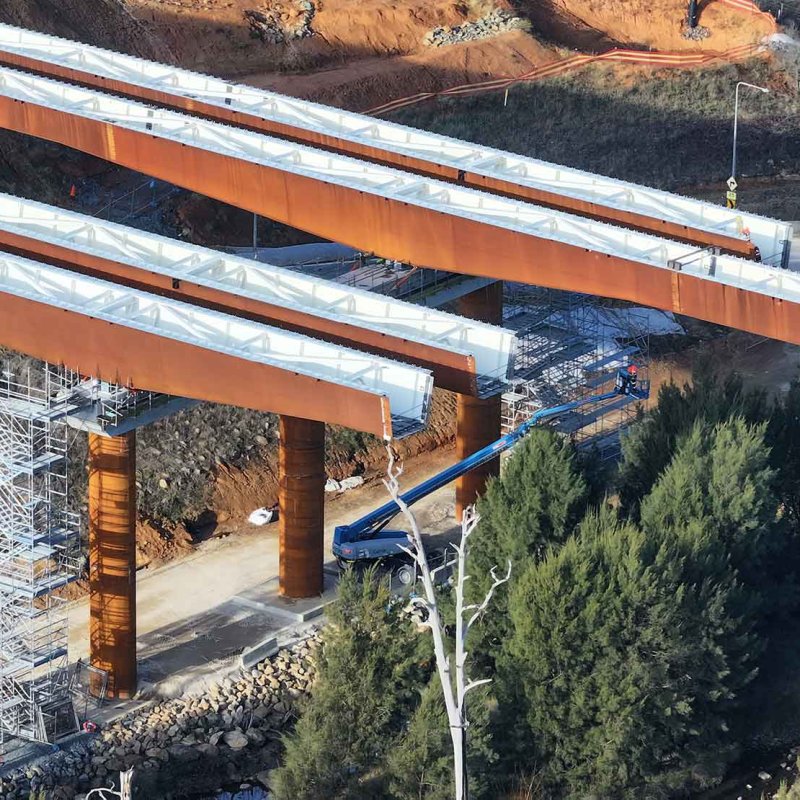
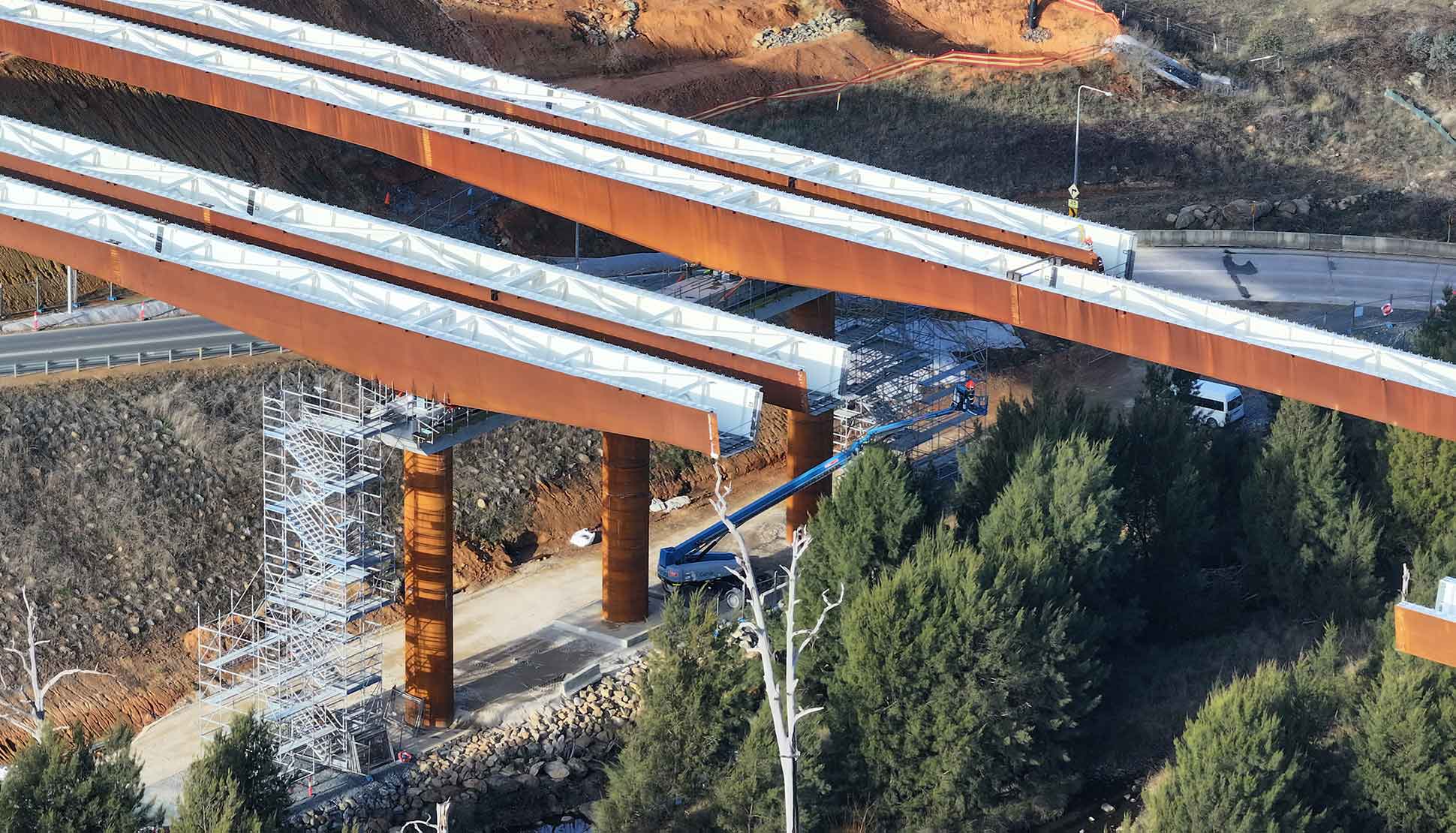
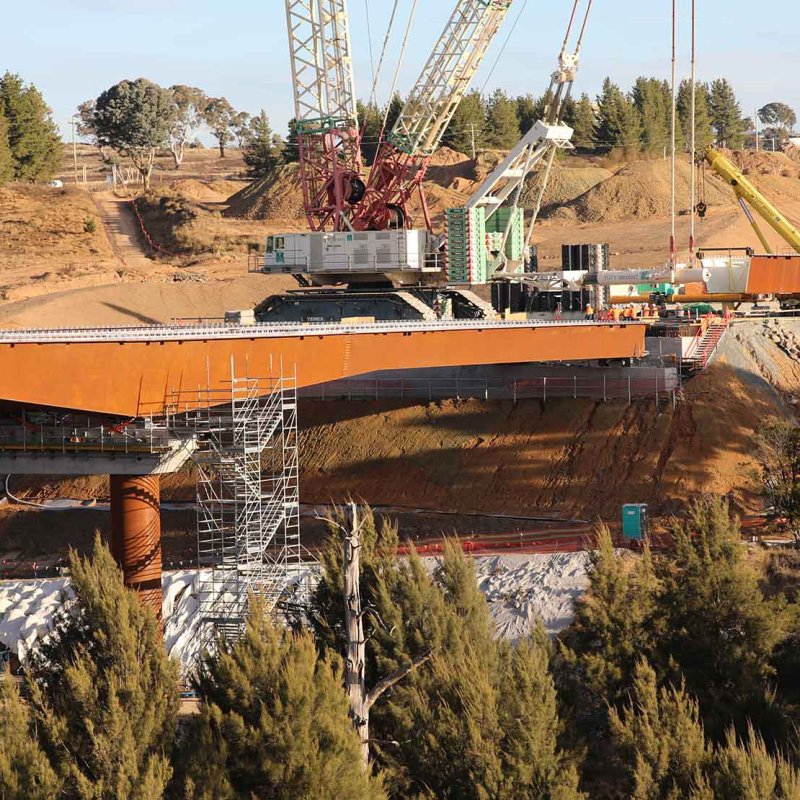
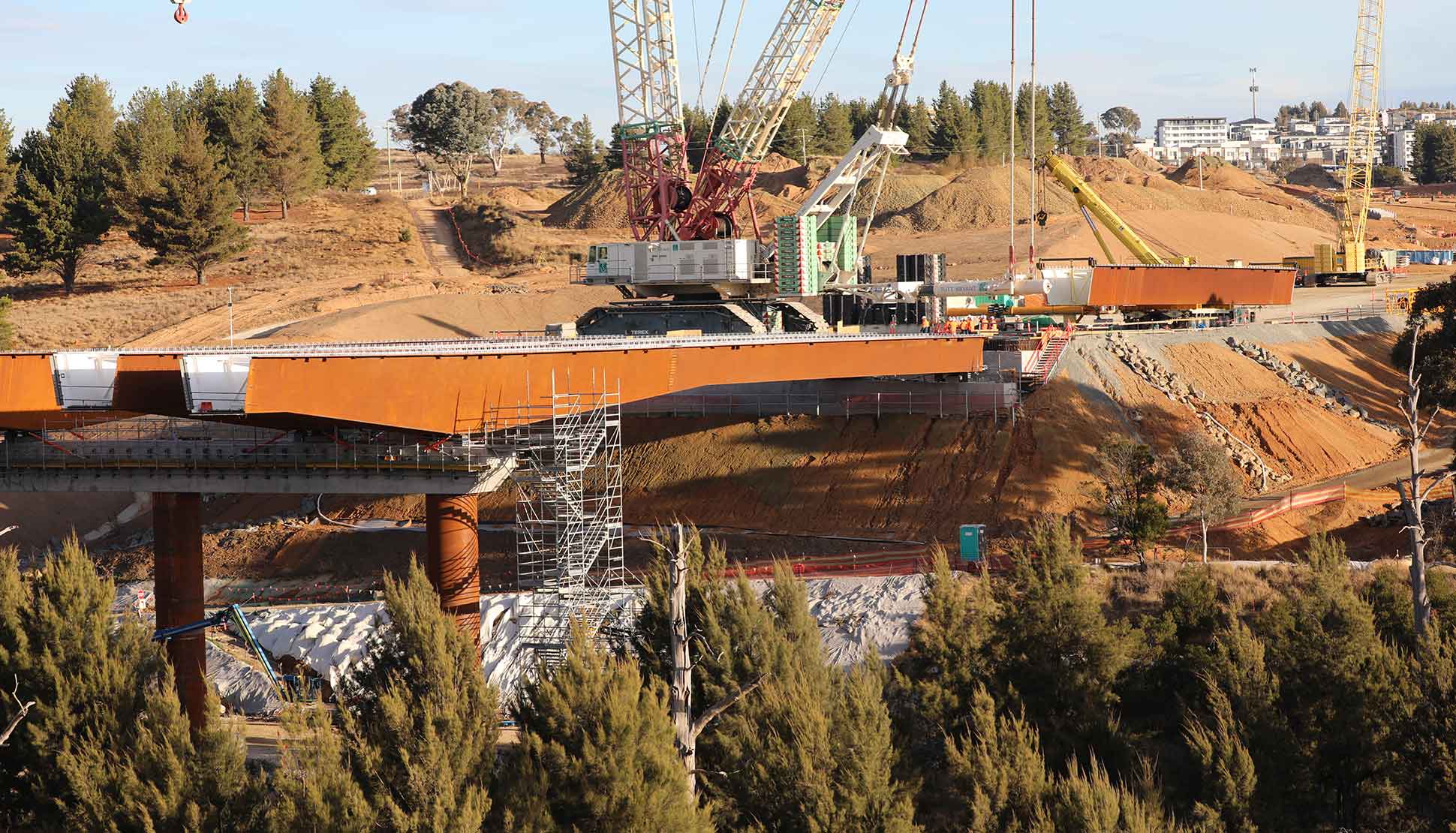
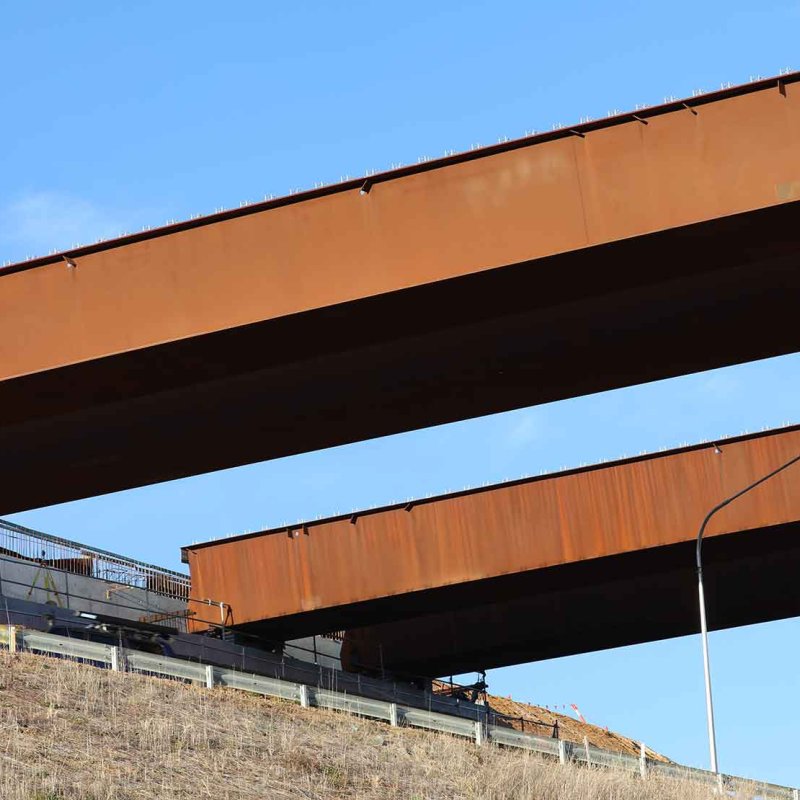
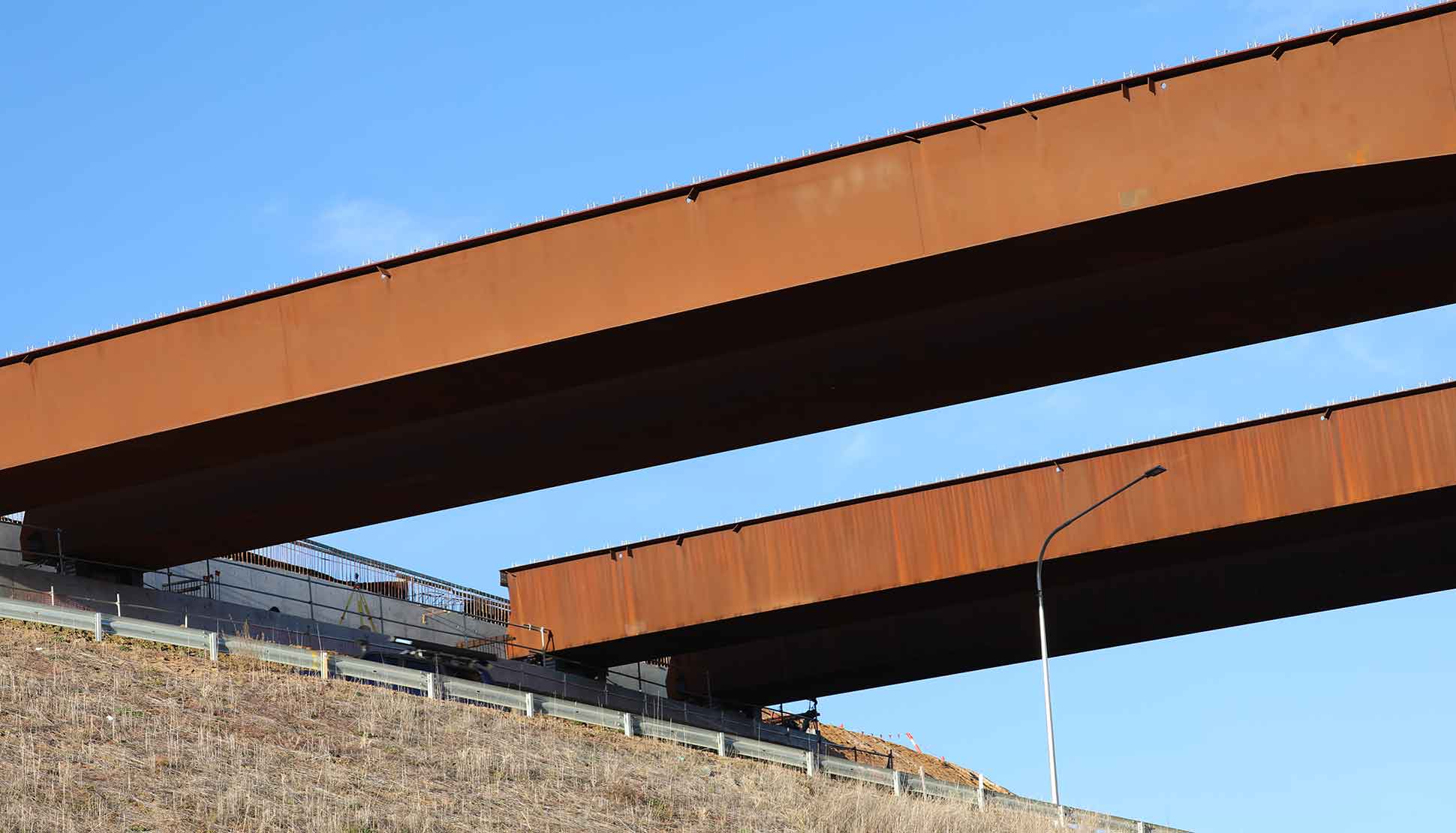
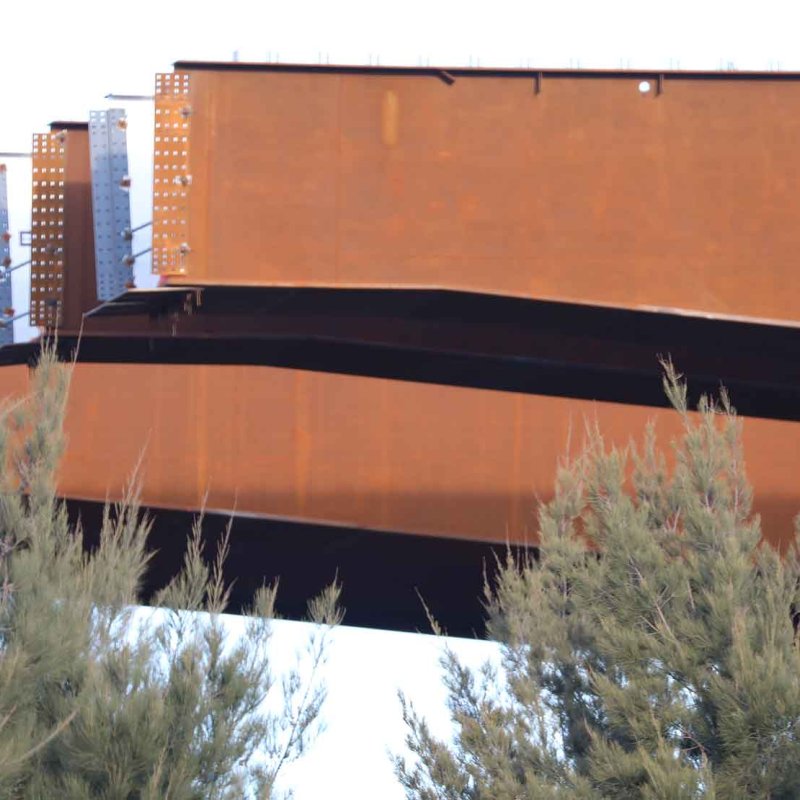
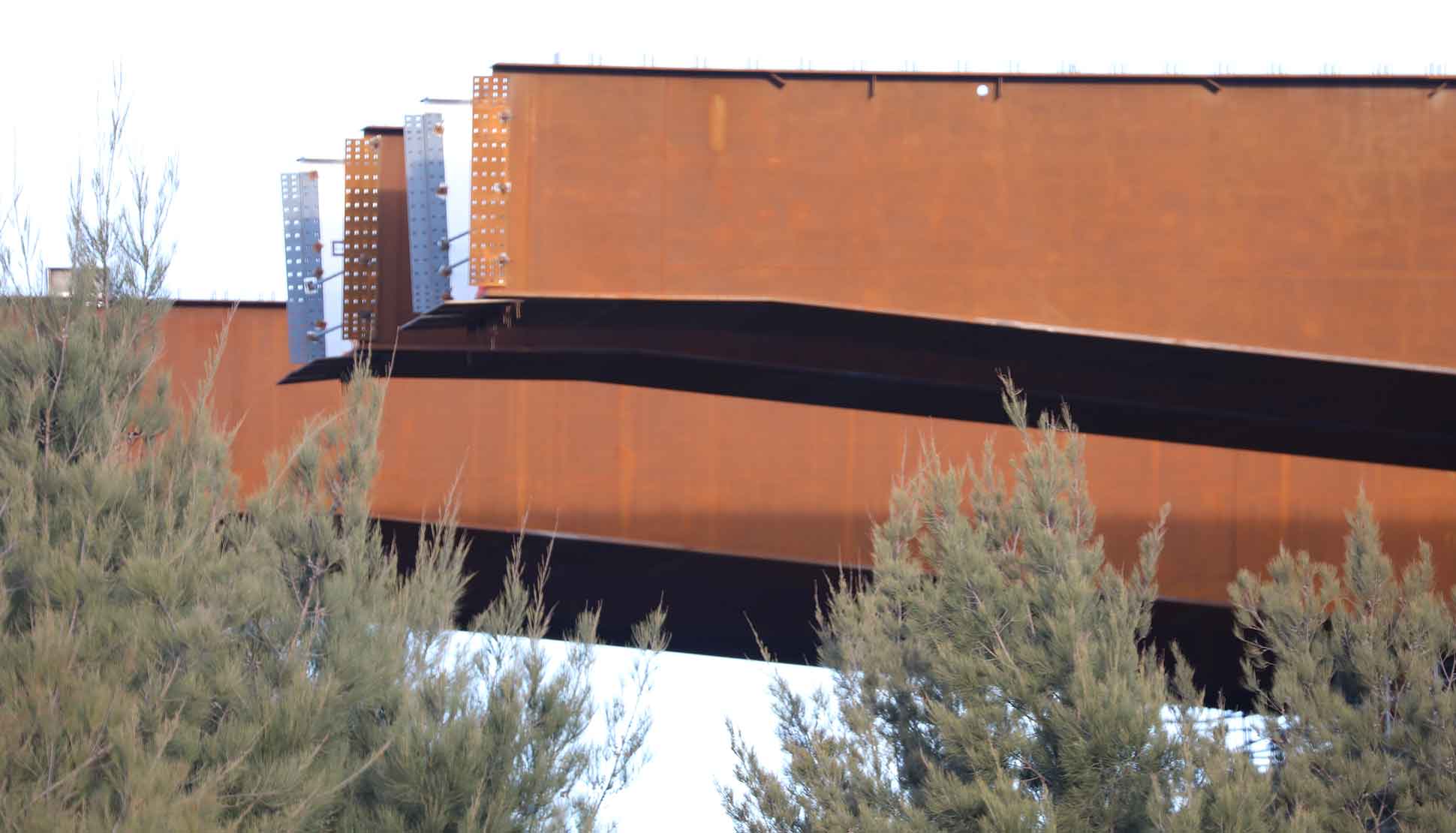
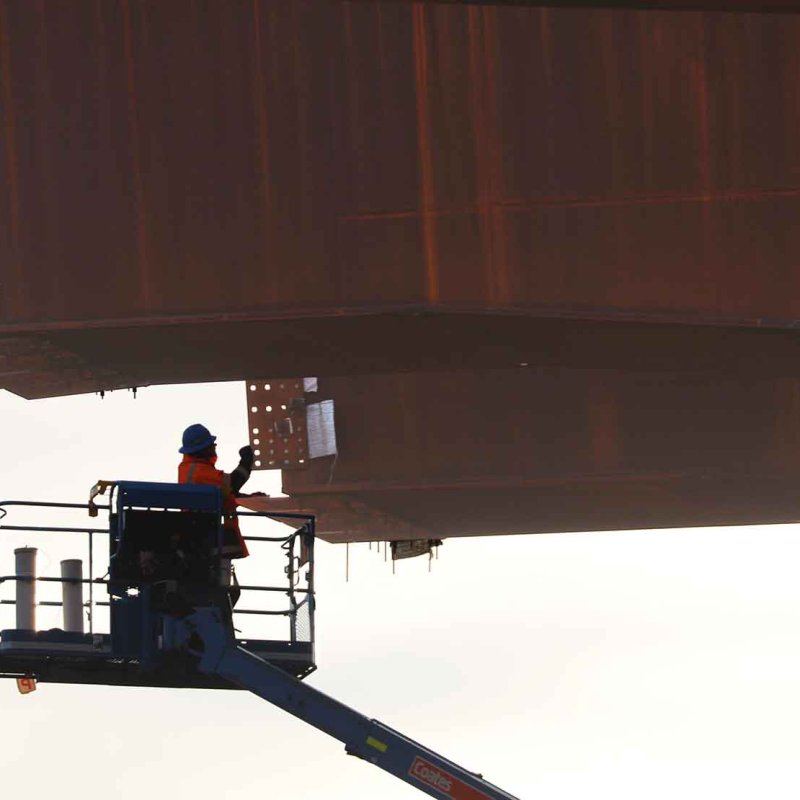
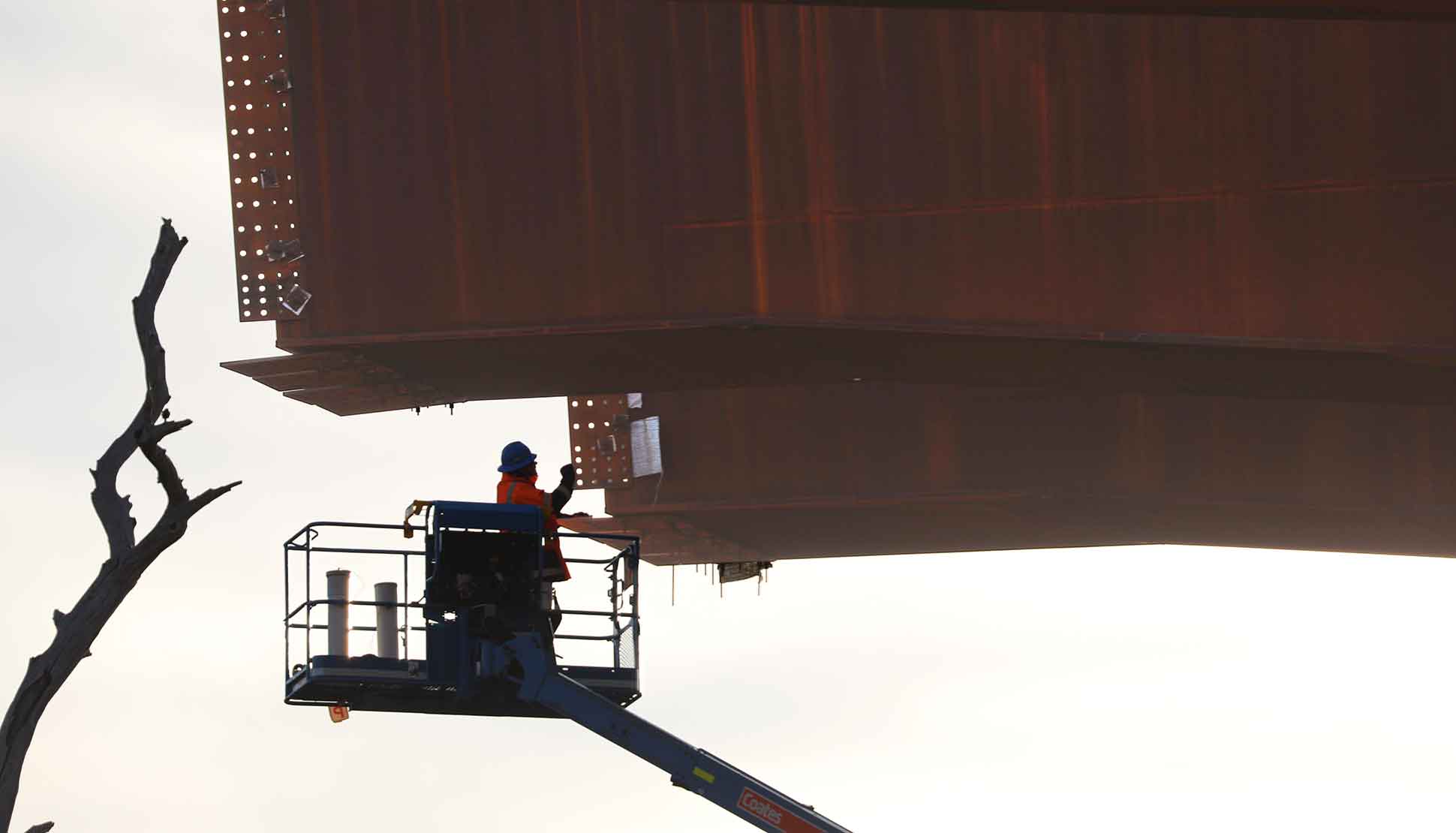
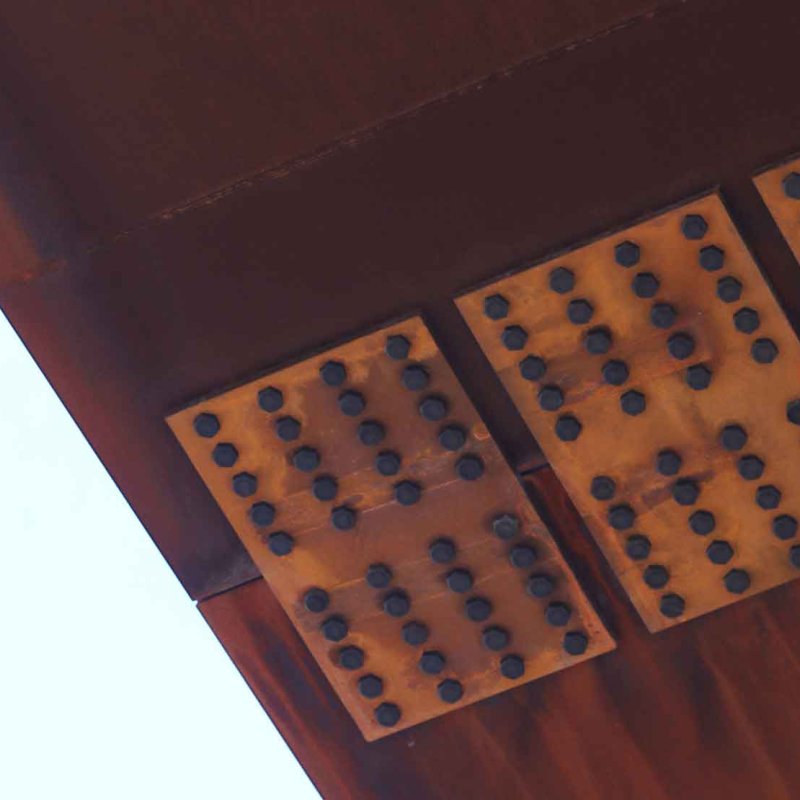
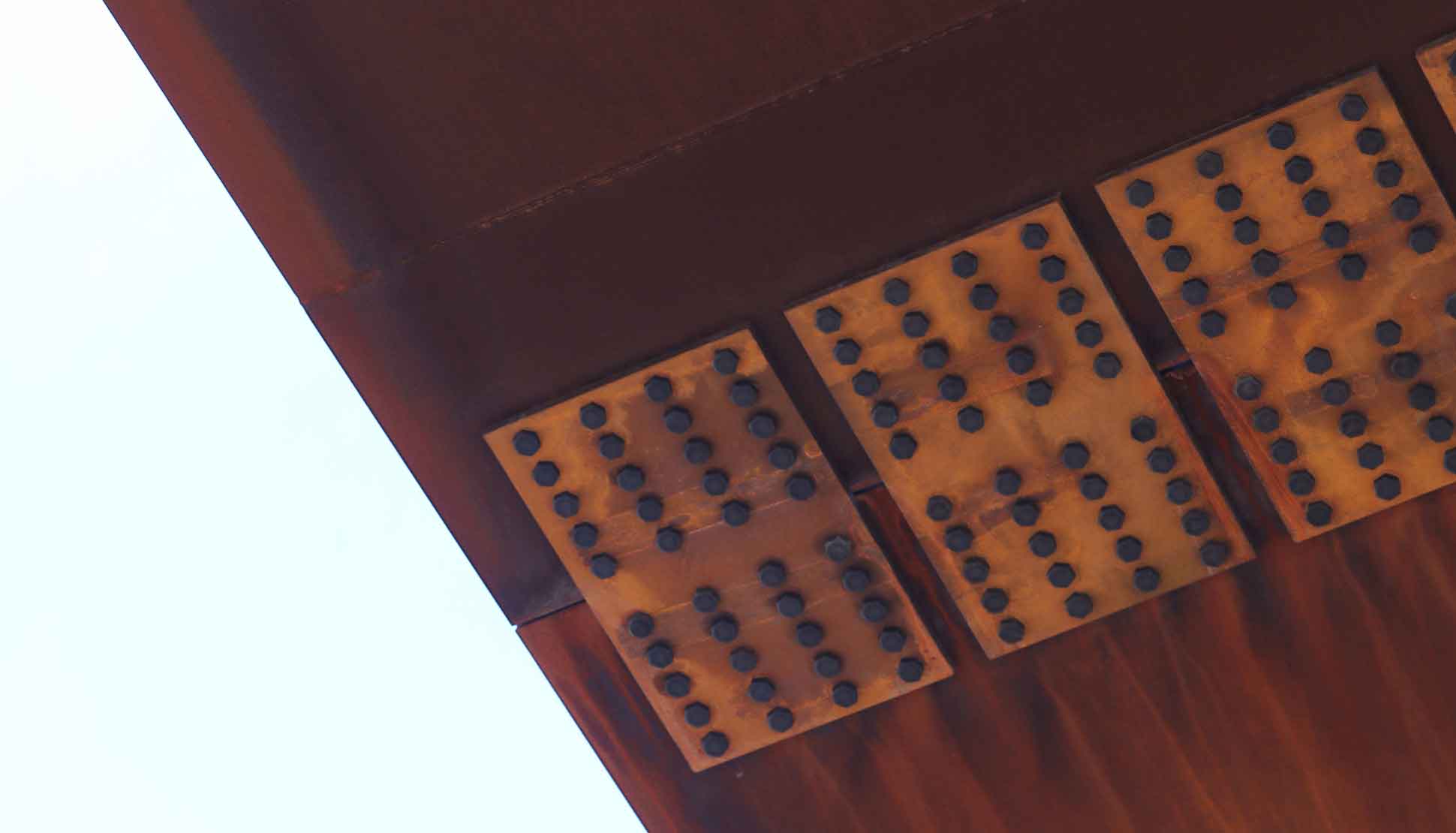
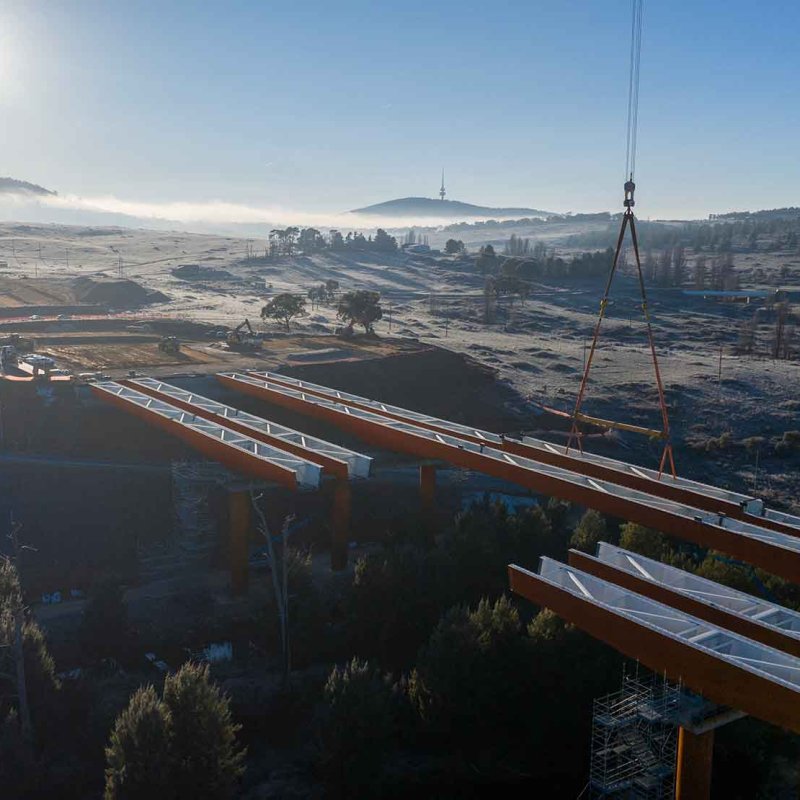
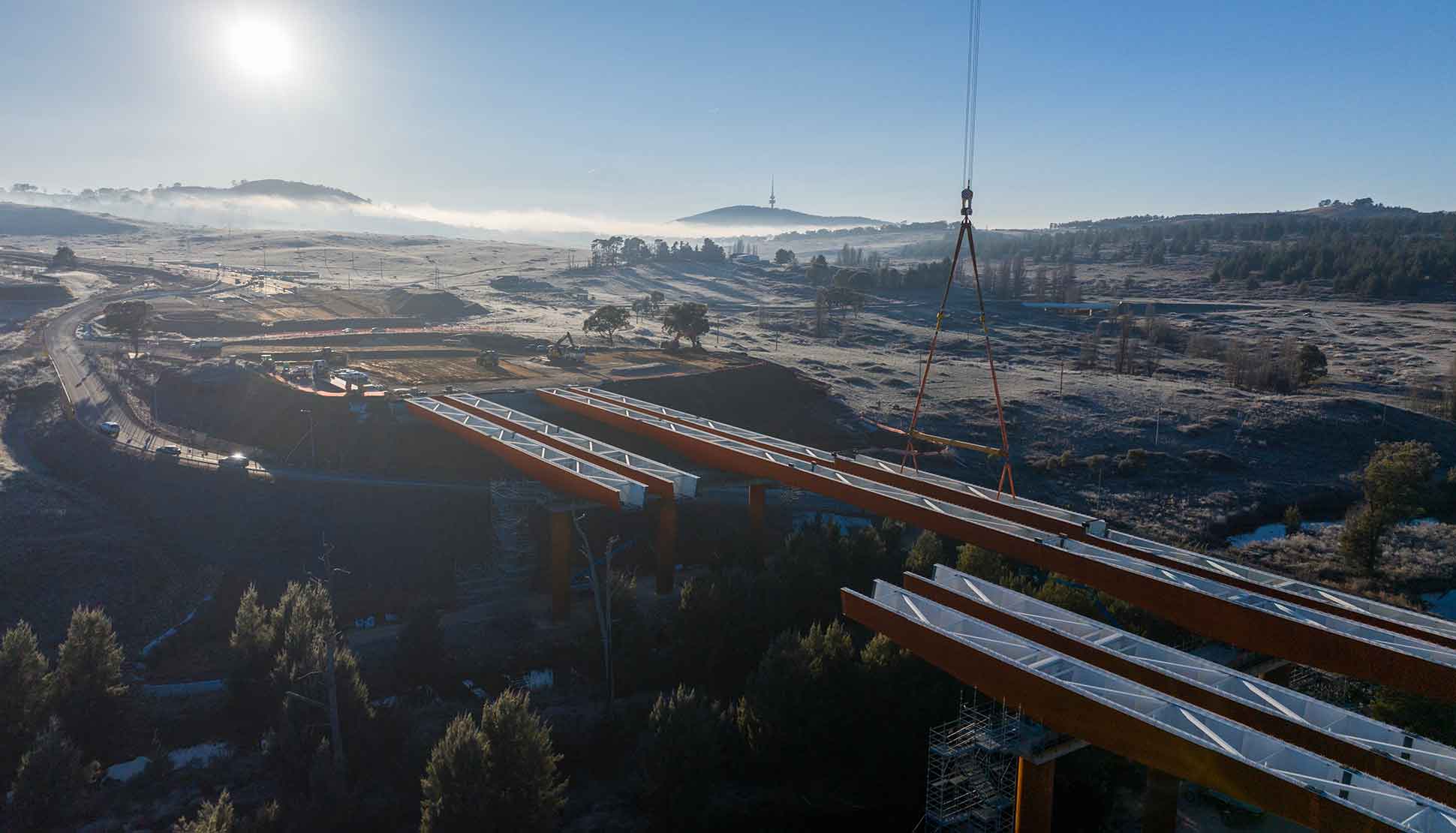
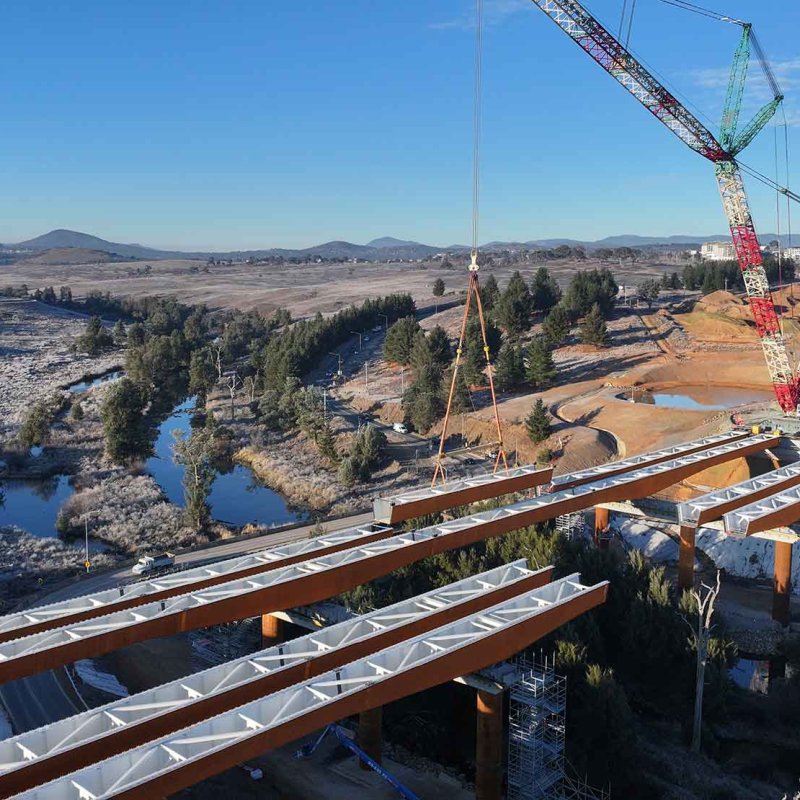
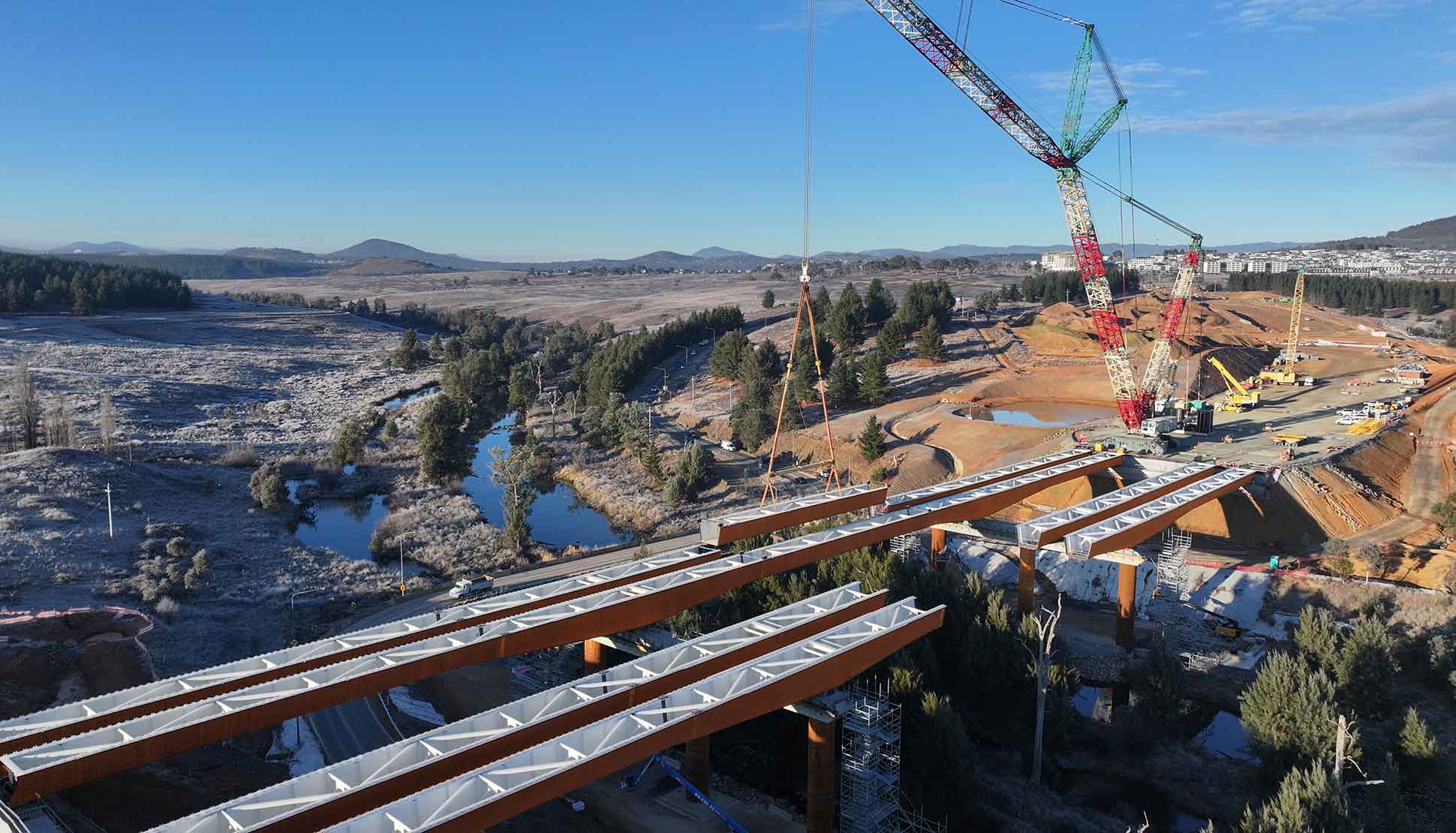
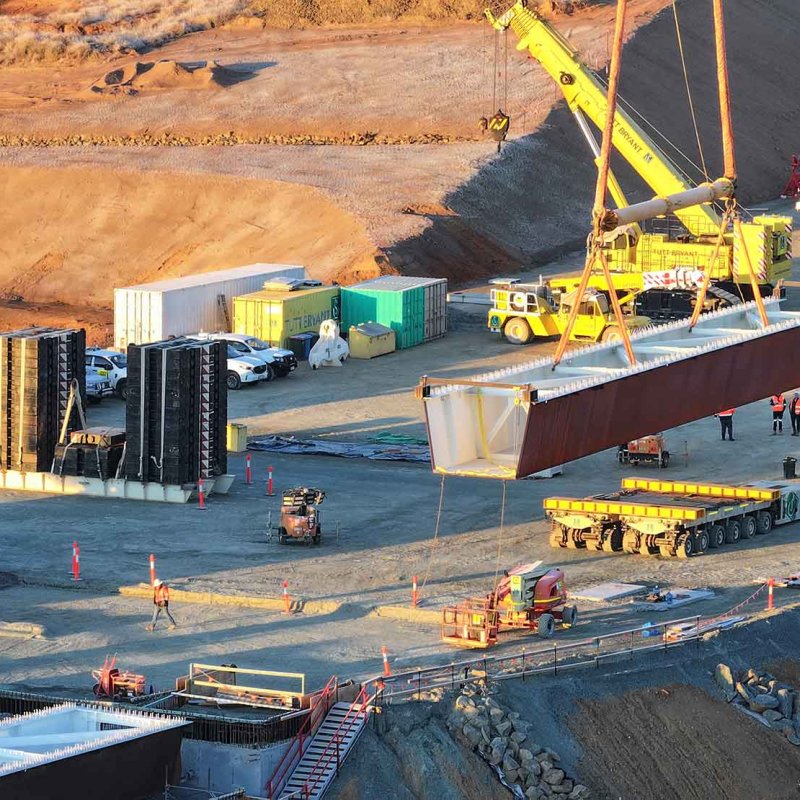
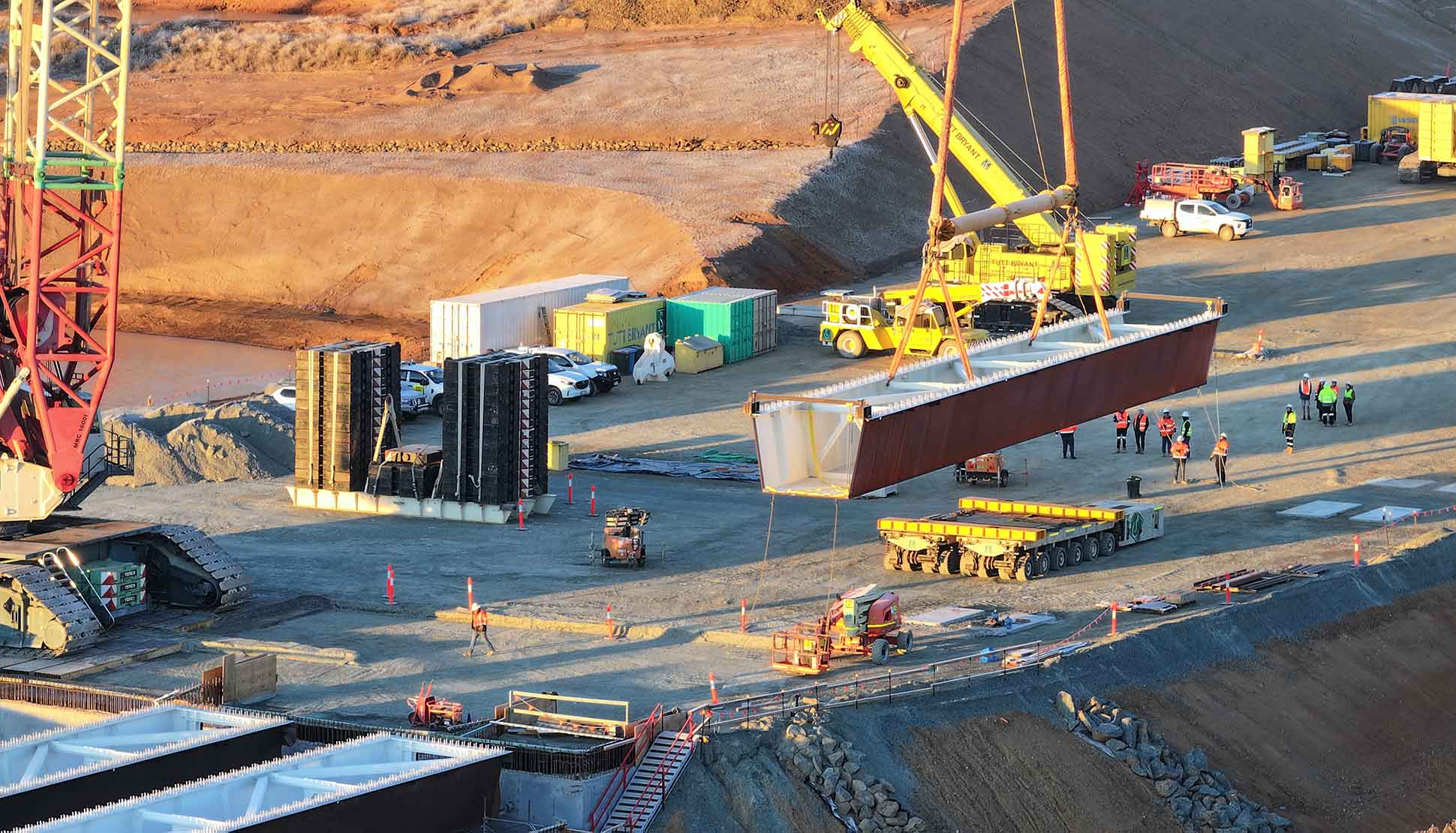
While concrete remains the traditional choice for bridge construction in Australia, the use of BlueScope’s REDCOR® weathering steel in the Molonglo River Bridge showcases how steel enabled a bridge to be created that integrates beautifully into the natural surroundings while minimising the impact on the surrounding environment during construction and over the life of the bridge.
Project background
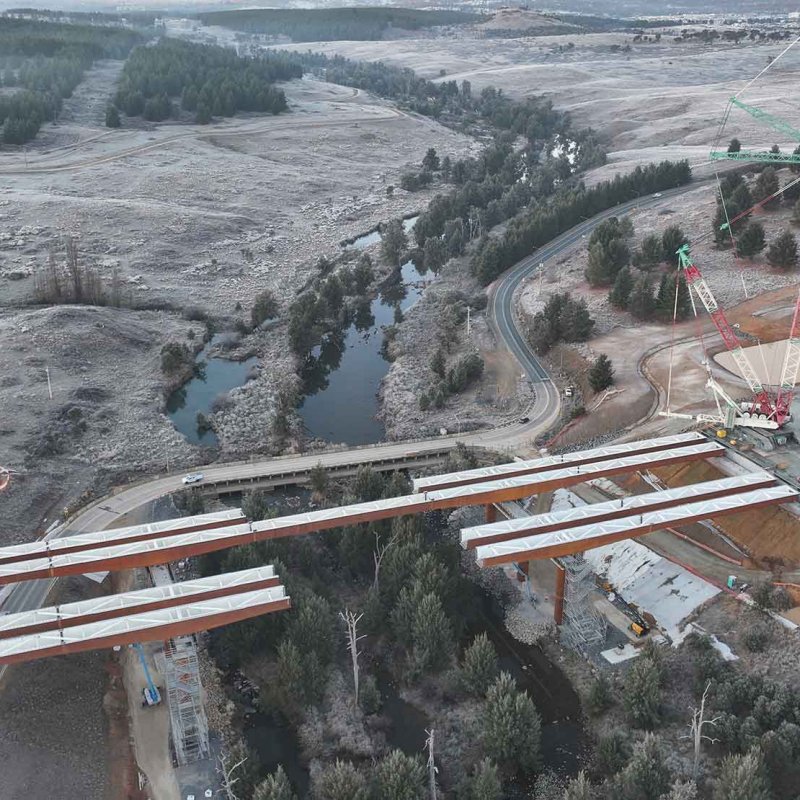
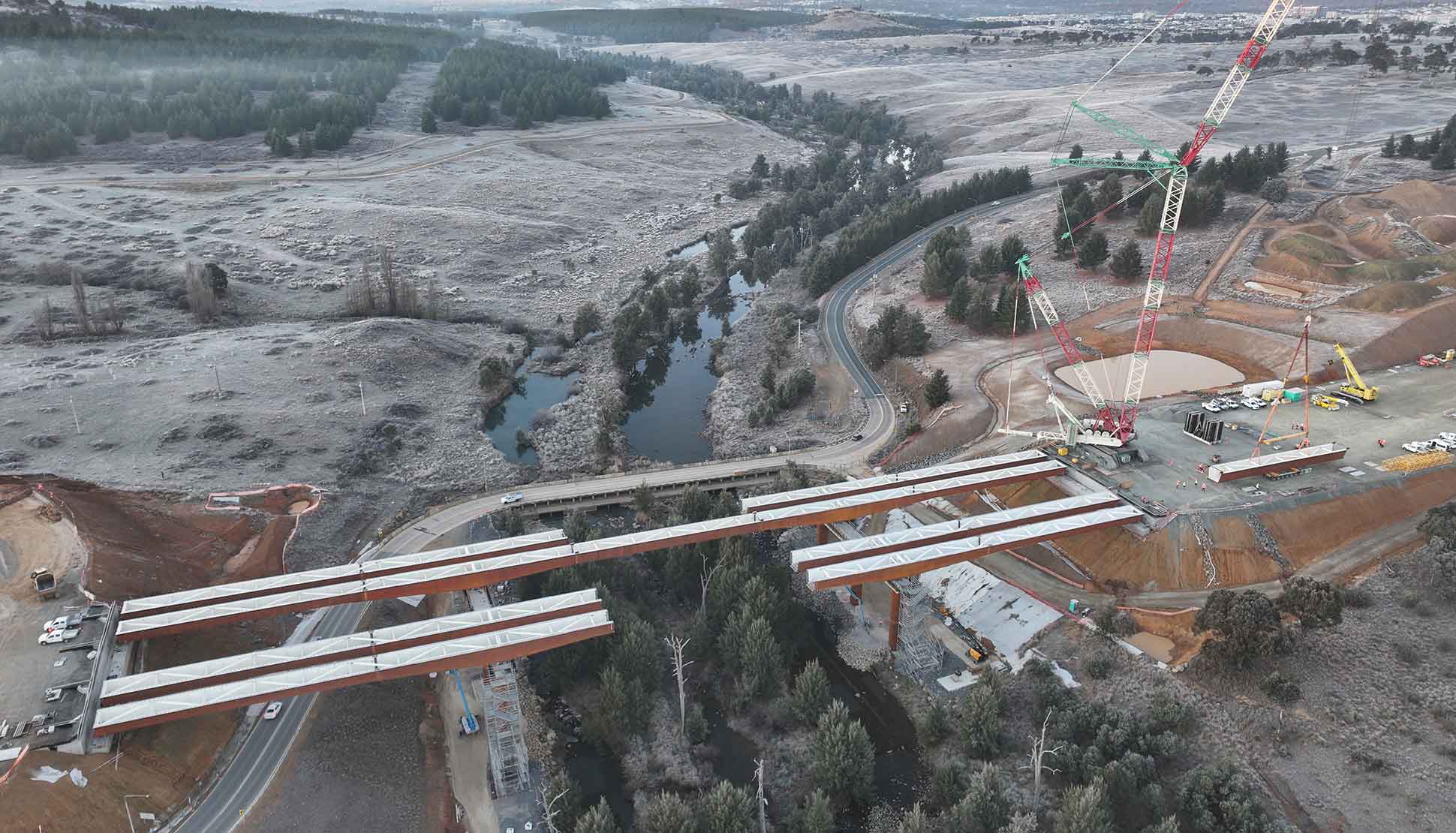
The Molonglo River Bridge is a 200-metre-long road bridge designed to replace the flood-prone Coppins Crossing causeway and provide an all-weather connection across the Molonglo River. At completion, this major piece of infrastructure will be Canberra’s tallest road bridge.
The bridge is elevated above the 1-in-100-year flood level and incorporates provisions for future light rail, queue-jump bus lanes, water and sewer services, shared pedestrian and cyclist paths, and twin viewing platforms.
The bridge will provide a much-needed, reliable all-weather transport corridor to support the growth of Molonglo Valley and strengthen the connection to the town centres of Whitlam and West Belconnen.
Response to the landscape
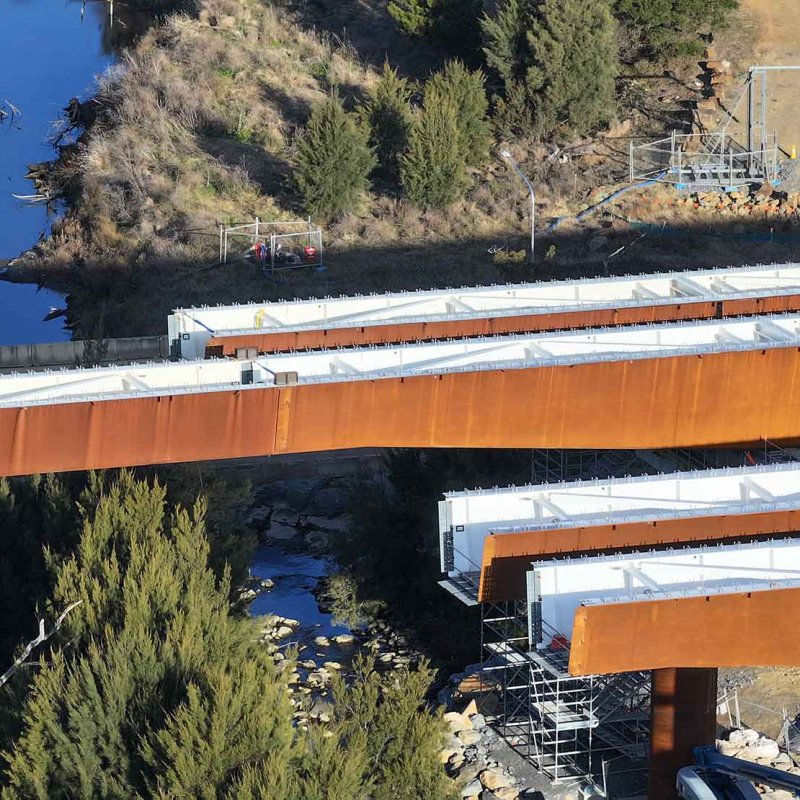
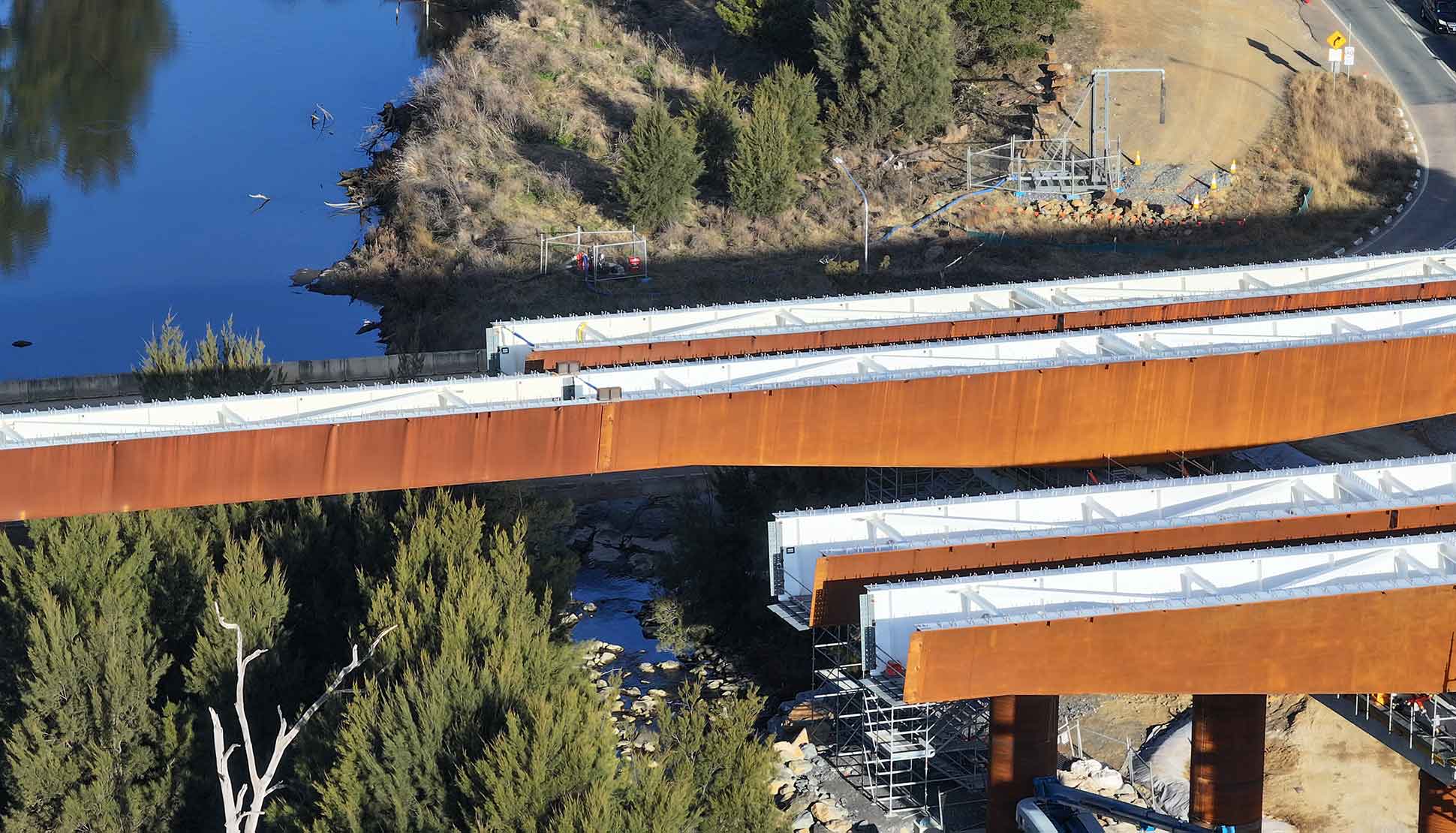
The bridge spans the ecologically sensitive Molonglo Nature Reserve, an area of national environmental significance, stated Michael McGrath, Senior Director within Infrastructure Canberra, ACT Government.
Minimising the disturbance to the riverbed and protecting the local native fauna, including platypus nesting sites, waterfowl, microbats, and the vulnerable pink-tailed worm lizards, was critical. Consequently, design, construction, operation, and maintenance considerations had to be considered from the project’s very inception. ‘This is a very visible structure and needs to sit sensitively within the landscape,’ Michael elaborated.
‘Family of Bridges’
Initial planning for the Molonglo River Bridge began in 2015, when the ACT Government undertook a comprehensive assessment of transport, environmental, community and future infrastructure requirements, while ensuring alignment with "Family of Bridges" design philosophy.
This philosophy creates a recognisable and consistent bridge identity across a series of bridges in the region. By using common architectural forms and materials that respond to the landscape, each bridge complements the character of the Molonglo River Valley.
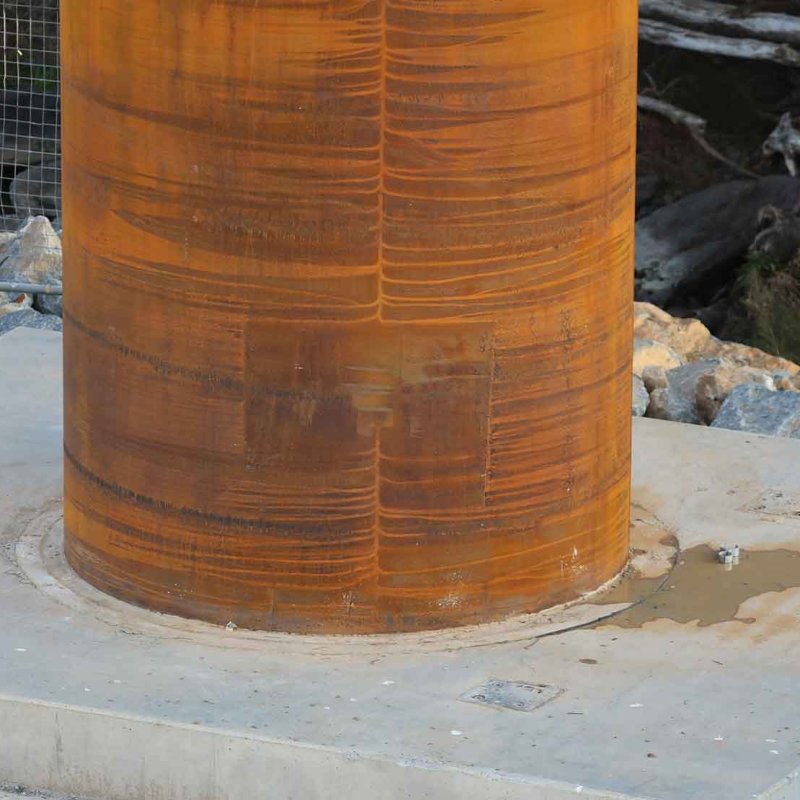
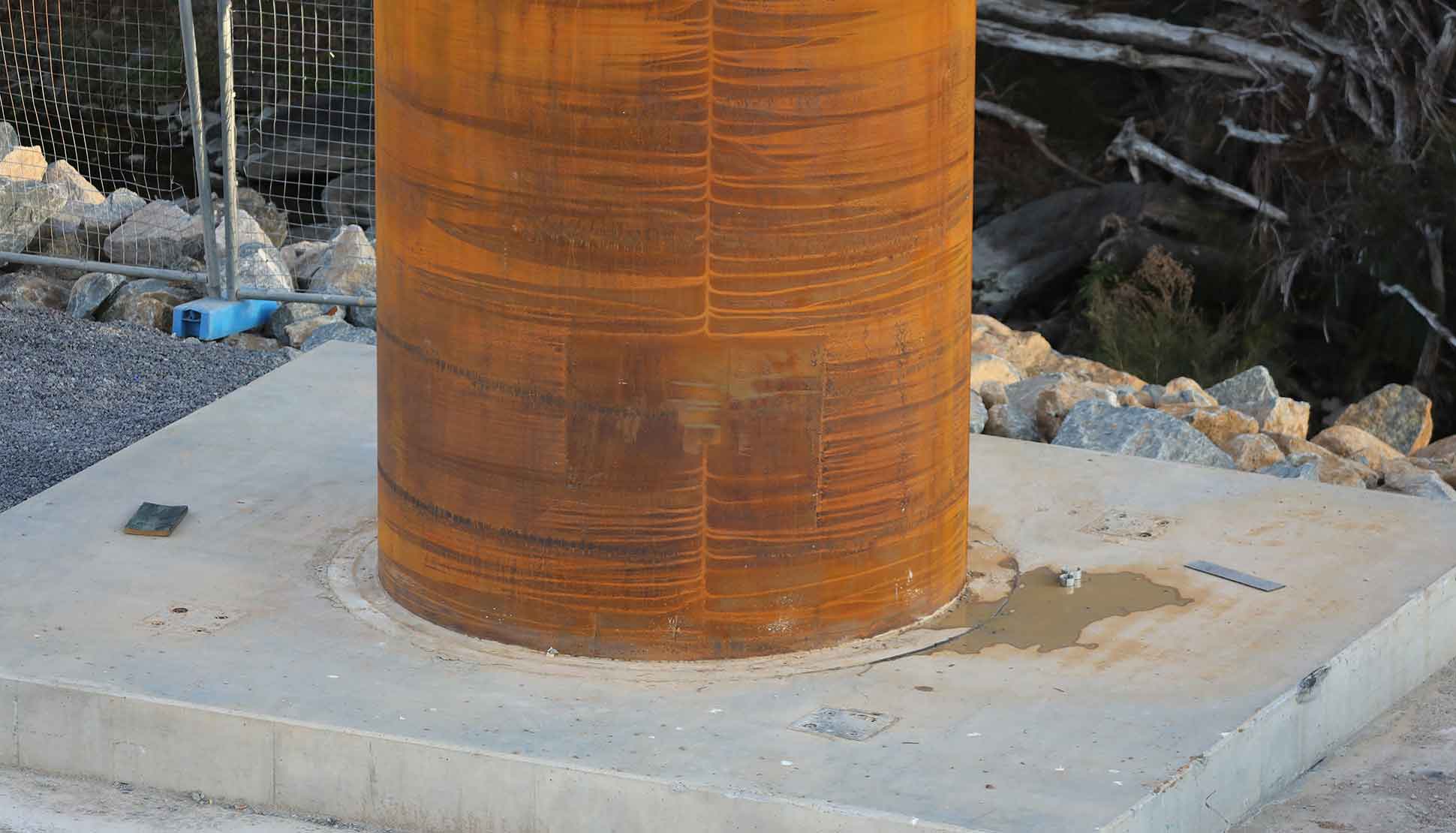
The Molonglo River Bridge is the latest bridge design in a lineage that began with Butters Bridge around a decade ago. By incorporating weathering steel-encased piers, Butters Bridge demonstrated how infrastructure could achieve both durability and a visual character that sits comfortably within the natural landscape.
With the Molonglo River Bridge project, the use of REDCOR® weathering steel was expanded from the substructure to the bridge's superstructure, enabling a lighter, more refined bridge design that blends more seamlessly into its surroundings.